
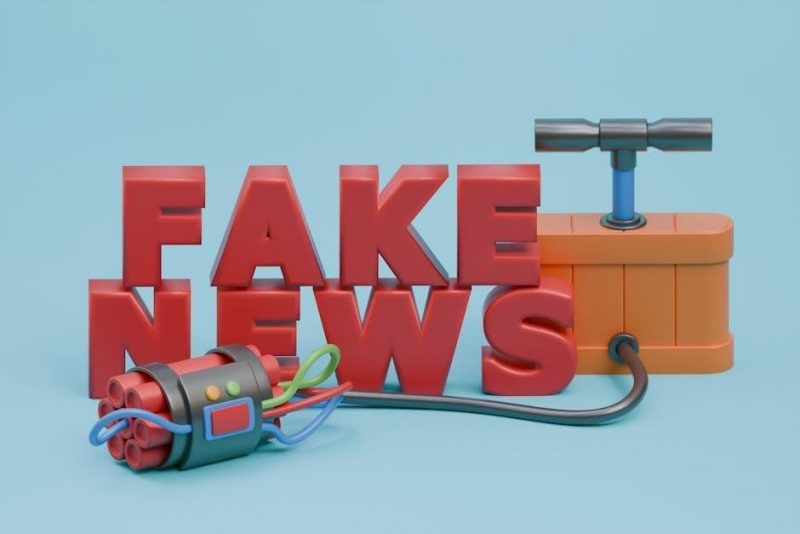
fake dates and mooncakes pdf
Dive into the quirky world of 'Fake Dates & Mooncakes'! Download the PDF and discover a unique story. Perfect for fans of unusual tales – get your copy now!
Fake Dates and Mooncakes PDF: An Overview
The circulating PDF regarding mooncakes gained traction around the Mid-Autumn Festival‚ sparking concerns about ingredients and authenticity‚ particularly in Hong Kong and Southeast Asia.
Analysis of website traffic‚ utilizing tools like StatCounter‚ reveals patterns in how users discovered and engaged with articles concerning this controversial document.
This overview examines the PDF’s claims‚ the role of online dissemination‚ and the tools available to verify information and understand audience behavior regarding this topic.

The Mid-Autumn Festival Connection
The timing of the “fake dates” PDF’s circulation is intrinsically linked to the Mid-Autumn Festival‚ a deeply rooted tradition in East Asian cultures‚ particularly in Hong Kong. This annual celebration centers around mooncakes – symbolic pastries enjoyed with family and friends. The festival’s significance makes any claims questioning the integrity of these traditional treats particularly sensitive.
Each year‚ Hongkongers consume numerous mooncakes‚ often without considering the intricacies of their production. The PDF exploited this general lack of awareness‚ capitalizing on pre-existing anxieties about food safety and ingredient sourcing. The festival’s popularity provided a ready-made audience for the misinformation‚ quickly spreading the document through social networks and online forums.
The seasonal nature of mooncake consumption amplified the PDF’s impact‚ turning a cultural celebration into a source of public concern.
Origin of the “Fake Dates” Rumor
The precise genesis of the “fake dates” rumor remains somewhat obscure‚ but the PDF itself served as a primary catalyst for its widespread dissemination. Initial reports suggest the document began circulating online in early 2025‚ gaining momentum as the Mid-Autumn Festival approached. It alleged that some mooncake manufacturers were substituting real dates with artificial alternatives to reduce costs.
The PDF’s claims quickly spread through social media platforms and messaging apps‚ fueled by concerns about food adulteration. While the original source of the PDF is unclear‚ its content resonated with existing anxieties regarding food safety standards in the region.
The rumor’s persistence highlights the vulnerability of online information ecosystems to unverified claims‚ particularly when they tap into pre-existing consumer fears.
Analyzing the PDF’s Content
The PDF detailed allegations concerning mooncake ingredients‚ specifically questioning the authenticity of dates used and raising concerns about artificial flavorings and preservatives within.
A close examination reveals specific claims about manufacturing practices and potential health risks‚ prompting scrutiny from consumers and food safety advocates.

Claims Regarding Mooncake Ingredients
The core of the PDF’s controversy centers on accusations that manufacturers substitute genuine dates with cheaper‚ artificial alternatives in traditional mooncake recipes. This claim suggests a deliberate misrepresentation of ingredients to maximize profits‚ deceiving consumers during the Mid-Autumn Festival.
Specifically‚ the document alleges the use of processed date paste or other substitutes lacking the nutritional value and authentic flavor of whole dates. This substitution isn’t merely about taste; it raises questions about transparency and potential undisclosed additives.
Furthermore‚ the PDF implies that this practice is widespread‚ impacting numerous brands and potentially affecting a significant portion of mooncakes consumed annually in Hong Kong and across East Asia. The document’s circulation fueled public anxiety about food quality and authenticity.
Allegations of Artificial Flavorings
Beyond the date substitution claims‚ the PDF levels accusations regarding the extensive use of artificial flavorings in mooncake production. It suggests manufacturers rely heavily on synthetic compounds to mimic the complex flavors of traditional ingredients‚ like lotus seed paste and various nut fillings.
The document implies these artificial flavorings are used not only to enhance taste but also to mask the inferior quality of substituted ingredients‚ creating a deceptive sensory experience for consumers. This practice raises concerns about potential health implications and undisclosed chemical additives.
The PDF further alleges that the reliance on artificial flavors contributes to a decline in the authentic taste profiles of mooncakes‚ diminishing the cultural significance of this festive treat.
Concerns About Preservatives
The circulated PDF expresses significant worry regarding the levels and types of preservatives utilized in commercially produced mooncakes. It posits that manufacturers employ a range of chemical preservatives to extend shelf life‚ potentially compromising consumer health.
The document alleges these preservatives are not always clearly listed on packaging‚ leaving consumers unaware of their intake. This lack of transparency fuels anxieties about potential allergic reactions or long-term health effects associated with prolonged exposure.
Furthermore‚ the PDF suggests that the reliance on preservatives is a direct consequence of using lower-quality ingredients‚ necessitating artificial means to maintain product freshness and prevent spoilage.
The Role of StatCounter in Online Information
StatCounter’s tools proved vital in tracking website traffic related to the mooncake PDF‚ revealing user engagement and identifying referral sources for the document.
Analyzing data provided insights into how the misinformation spread and which platforms were most influential in disseminating the claims within the PDF.
Tracking Website Traffic Related to the PDF
Utilizing StatCounter‚ a comprehensive analysis of website traffic surrounding the “fake dates” mooncake PDF was conducted. This involved monitoring page views to sites hosting or discussing the document‚ identifying peak interest periods coinciding with the Mid-Autumn Festival and initial online circulation;
Real-time web stats revealed the geographical distribution of visitors accessing related content‚ with a significant concentration in Hong Kong and Southeast Asia‚ aligning with the initial reports from the South China Morning Post.
Detailed visitor tracking allowed for the assessment of bounce rates and time spent on pages‚ indicating the level of engagement with articles debunking or amplifying the PDF’s claims. This data is crucial for understanding how effectively information was being received and processed by the public.
Analyzing User Engagement with Articles on the Topic
StatCounter’s session replay functionality provided valuable insights into how users interacted with articles concerning the “fake dates” mooncake PDF. Observing user behavior – scrolling patterns‚ click-through rates on links to fact-checking resources – revealed how deeply people were investigating the claims.
Heatmaps highlighted sections of articles attracting the most attention‚ often focusing on discussions of ingredient lists and potential health concerns. This data informed content optimization strategies‚ ensuring key information was prominently displayed.
Analyzing engagement metrics‚ such as time on page and social sharing activity‚ indicated which articles resonated most with the audience and sparked further discussion‚ contributing to a broader understanding of the issue.
Identifying Source Referrals for the PDF
StatCounter data revealed that social media platforms were significant drivers of traffic to articles discussing the “fake dates” mooncake PDF‚ indicating rapid dissemination through shares and posts. A substantial portion of referrals originated from forums and online communities focused on food safety and Hong Kong news.
Direct traffic also played a role‚ suggesting individuals were actively searching for information about the PDF after encountering it elsewhere. Analyzing referring domains pinpointed specific websites amplifying the claims‚ allowing for targeted fact-checking efforts.

Understanding these referral sources is crucial for tracing the PDF’s spread and identifying key influencers in the online conversation surrounding mooncake ingredients and authenticity.
Debunking the Claims: Scientific Evidence
Hong Kong’s food safety regulations are stringent‚ and common mooncake ingredients are well-established. Scientific analysis challenges the PDF’s allegations regarding artificial flavorings and preservatives.
Food Safety Regulations in Hong Kong & East Asia
Hong Kong maintains a robust food safety system overseen by the Food and Environmental Hygiene Department (FEHD)‚ ensuring products meet stringent standards. These regulations align with international guidelines‚ prioritizing public health and consumer protection. Similar rigorous frameworks exist across East Asia‚ including in countries like Singapore and Japan‚ emphasizing traceability and quality control.
Regular inspections of food manufacturing facilities and thorough testing of ingredients are commonplace. Authorities actively monitor for prohibited substances and enforce labeling requirements‚ allowing consumers to make informed choices. The FEHD’s surveillance programs cover a wide range of food products‚ including traditional festive items like mooncakes‚ addressing potential risks associated with ingredients and production processes.
These comprehensive regulations aim to prevent the circulation of unsafe or substandard food items‚ providing a strong foundation for consumer confidence during seasonal celebrations.
Common Ingredients in Traditional Mooncakes
Traditional mooncakes typically feature a rich pastry crust‚ often made with wheat flour‚ oil‚ and syrup. The fillings vary widely‚ but lotus seed paste remains a classic choice‚ prized for its smooth texture and delicate sweetness. Other popular fillings include red bean paste‚ five kernel (a mixture of nuts and seeds)‚ and salted egg yolks‚ symbolizing the full moon.
These ingredients are often combined with sugar‚ oil‚ and sometimes preserved fruits. While modern variations may incorporate new flavors‚ the core components remain rooted in centuries-old recipes. The quality of ingredients significantly impacts the mooncake’s taste and texture‚ with premium versions utilizing high-grade lotus seeds and carefully selected nuts;
Understanding these traditional components is crucial when evaluating claims regarding ingredient authenticity and potential substitutions.
The Use of Artificial Flavorings – A Detailed Look
While traditional mooncakes rely on natural ingredients for flavor‚ some manufacturers may utilize artificial flavorings to enhance or mimic specific tastes‚ particularly in mass-produced varieties. These can include synthetic vanilla‚ almond extracts‚ or fruit essences‚ aiming to replicate the complexity of natural ingredients at a lower cost.
The use of artificial flavorings isn’t inherently unsafe‚ as they are regulated by food safety authorities. However‚ concerns arise regarding transparency and potential allergic reactions in sensitive individuals. The PDF’s allegations likely center on the undisclosed use of these additives‚ questioning the authenticity of the mooncake’s flavor profile.
Detailed ingredient lists and certifications are vital for consumers seeking genuinely natural mooncakes.
The Spread of Misinformation Online
The “fake dates” PDF rapidly circulated via social media‚ demonstrating how quickly unverified information can gain traction and influence public perception regarding food safety.
This highlights the critical need for fact-checking and reliable sources when evaluating online claims‚ especially concerning health and consumer products.
Social Media’s Role in Disseminating the PDF

Social media platforms acted as primary conduits for the rapid spread of the “fake dates and mooncakes” PDF‚ amplifying its reach far beyond initial sources. The ease of sharing content‚ coupled with limited verification processes on some platforms‚ facilitated the document’s viral distribution.
Users shared the PDF across various networks‚ often without critically evaluating its claims or considering the source’s credibility. This created an echo chamber effect‚ reinforcing anxieties about mooncake ingredients and potentially damaging the reputation of manufacturers.
The visual nature of platforms like Facebook and Instagram likely contributed to the PDF’s spread‚ as eye-catching images and sensationalized headlines encouraged shares. Understanding these dynamics is crucial for mitigating the impact of misinformation in the future.
The Impact of Unverified Information
The circulation of the unverified PDF concerning mooncakes demonstrates the significant consequences of readily accepting information without scrutiny. This misinformation fueled public anxiety‚ potentially impacting consumer confidence in a traditionally enjoyed seasonal product.
The lack of fact-checking before sharing contributed to a climate of distrust‚ highlighting the need for media literacy and responsible online behavior. Businesses faced reputational risks‚ and the incident underscored vulnerabilities in food safety perceptions.
Ultimately‚ the “fake dates” scare serves as a cautionary tale‚ emphasizing the importance of relying on credible sources and verifying claims before accepting them as truth‚ especially regarding sensitive topics like food safety.
Fact-Checking Resources for Food Safety Concerns
When encountering food safety concerns‚ like those raised by the mooncake PDF‚ several resources offer reliable information. The Hong Kong Centre for Food Safety provides official guidelines and reports on food standards and testing results.
International organizations such as the World Health Organization (WHO) and the Food and Agriculture Organization (FAO) offer comprehensive data and expert opinions on food safety practices globally.
Reputable news outlets like the South China Morning Post often conduct thorough investigations and provide balanced reporting. Utilizing these resources empowers consumers to make informed decisions and avoid spreading misinformation.

StatCounter’s Tools for Website Analysis
StatCounter provides real-time web stats‚ visitor tracking‚ and market share analysis – crucial for understanding traffic sources related to the mooncake PDF’s online spread.
Session Replay unveils user behavior‚ while customizable reports offer detailed insights into website engagement and conversion patterns.
Real-Time Web Stats and Visitor Tracking
StatCounter’s core functionality centers around providing immediate insights into website activity‚ a vital asset when monitoring the spread of information like the “fake dates” mooncake PDF. This includes a live stream of visitors currently on the site‚ their referral sources – crucial for identifying where the PDF link is being shared – and the pages they are viewing.
Detailed visitor tracking reveals geographic locations‚ browser types‚ and even operating systems used by those accessing articles about the mooncake controversy. Understanding these demographics helps pinpoint areas of heightened concern and tailor information dissemination accordingly. The platform’s invisible tracking ensures data collection without disrupting the user experience‚ providing a comprehensive and unbiased view of online engagement.
Furthermore‚ StatCounter’s ability to monitor bounce rates and time spent on pages offers valuable clues about how effectively content is addressing user concerns regarding the PDF’s claims.
Market Share Analysis of Desktop Windows Versions
While seemingly unrelated‚ StatCounter’s data on desktop Windows version market share provides a contextual layer when analyzing the spread of the “fake dates” mooncake PDF. Understanding the operating systems used by visitors accessing information about the PDF can inform content optimization and ensure compatibility across platforms.
For example‚ if a significant portion of users accessing articles on the topic are using older Windows versions‚ website developers might prioritize browser compatibility to guarantee a seamless viewing experience. This data‚ based on over 5 billion monthly page views‚ offers a broad perspective on the technological landscape of the audience.
Ultimately‚ this information contributes to a more nuanced understanding of user behavior and helps refine strategies for combating misinformation surrounding the mooncake PDF.
Contacting StatCounter for Feedback and Support
When investigating the online spread of the “fake dates” mooncake PDF and analyzing related website traffic‚ users may encounter questions or require assistance with StatCounter’s tools. StatCounter provides multiple avenues for feedback and support‚ crucial for maximizing the platform’s utility.
For general inquiries‚ suggestions‚ or reporting issues related to StatCounter Global Stats‚ users can email the team directly. A dedicated feedback form is also available on their website‚ streamlining the communication process.
Furthermore‚ those interested in advertising opportunities to StatCounter’s extensive network of webmasters can explore dedicated channels. Prompt and helpful support ensures effective analysis of the PDF’s online journey.

Separating Fact from Fiction
The “fake dates” mooncake PDF highlights the need for responsible consumption and diligent information verification‚ relying on credible sources for food safety concerns.
Utilizing tools like StatCounter aids in understanding online trends‚ but critical thinking remains paramount when evaluating viral claims and misinformation.
Responsible Consumption and Information Verification
Navigating food-related anxieties‚ like those sparked by the mooncake PDF‚ requires a proactive approach to consumption and information gathering. Consumers should prioritize purchasing from reputable vendors with established food safety standards‚ ensuring transparency in ingredient sourcing.
Before accepting information at face value‚ especially circulating online‚ cross-referencing with official sources – such as Hong Kong’s food safety authorities – is crucial.
Understanding website analytics‚ as offered by StatCounter‚ can reveal the origins of information and potential biases.
Employing fact-checking resources and remaining skeptical of unverified claims shared on social media are vital steps in safeguarding against misinformation and promoting informed choices.
Ultimately‚ a discerning consumer is the best defense against unfounded fears and ensures a safe and enjoyable Mid-Autumn Festival.
The Importance of Reliable Sources
The “fake dates” mooncake PDF highlights the critical need for verifying information from trustworthy sources. Relying on unverified documents circulating online can lead to unnecessary alarm and misinformed decisions regarding food safety.
Official government websites‚ like those of Hong Kong’s food safety agencies‚ provide accurate and up-to-date regulations and ingredient guidelines.
Reputable news organizations‚ such as the South China Morning Post‚ offer balanced reporting and fact-checked analysis‚ contrasting with potentially sensationalized social media posts.
Tools like StatCounter‚ while focused on web traffic analysis‚ indirectly emphasize source credibility by revealing referral patterns and user engagement with different websites.
Prioritizing these reliable channels empowers consumers to separate fact from fiction and make informed choices.