

everything explained for the professional pilot pdf
Need a clear, concise guide to professional piloting? Download our expertly crafted PDF covering everything from flight principles to regulations. Fly high with confidence!
The “Everything Explained for the Professional Pilot” PDF is a comprehensive resource, meticulously designed to aid pilots in mastering crucial aeronautical knowledge․
This digital guide consolidates vital information from sources like the FAA-H-8083-25B handbook and the updated 2024 Private Pilot Textbook, offering a streamlined learning experience;
It serves as a key reference for passing FAA Knowledge Exams and Practical Tests, covering aircraft systems, powerplant details, and essential operational procedures․
What is the “Everything Explained for the Professional Pilot” PDF?
This PDF represents a consolidated and readily accessible compilation of essential aeronautical information, designed to support pilots throughout their training and careers․ It’s more than just a digital textbook; it’s a carefully curated resource drawing from authoritative sources like the FAA’s Pilots Handbook of Aeronautical Knowledge (FAA-H-8083-25B) and the latest 2024 Private Pilot Textbook․
The document aims to demystify complex concepts, utilizing innovative graphics and design elements to enhance understanding․ It covers a broad spectrum of topics, from fundamental aircraft construction – fuselage, wings, empennage, and landing gear – to intricate details of reciprocating engines, induction systems, and advanced powerplant technologies like supercharging and turbocharging․
Furthermore, it delves into crucial areas such as fuel and oil systems, cooling mechanisms, and the vital importance of the Pilots Operating Handbook (POH)․
Target Audience: Who Benefits from This Resource?
This comprehensive PDF is tailored for a diverse range of aviation professionals and aspiring pilots․ Specifically, it’s invaluable for individuals preparing for Remote, Sport, Private, Commercial, or Flight Instructor Pilot Certificates․ The resource caters to students utilizing the FAA-S-ACS-6C tasks and those employing the updated 2024 Private Pilot Textbook in their training․
Beyond initial certification, experienced pilots seeking a refresher on fundamental principles or a deeper understanding of complex aircraft systems will find it beneficial․ The detailed explanations of powerplant operations, fuel systems, and aeronautical decision-making (ADM) are particularly useful for maintaining proficiency․
Essentially, anyone committed to safe and informed aircraft operation – from student pilots to seasoned professionals – can leverage this PDF to enhance their knowledge and skills․

Aircraft Fundamentals
This section details essential aircraft components – fuselage, wings, empennage, and landing gear – providing a foundational understanding of airplane construction and aerodynamic principles․
Fuselage Construction and Design
The fuselage, the central body of the aircraft, undergoes diverse construction methods, ranging from traditional truss structures to modern monocoque and semi-monocoque designs․ Understanding these methods is crucial for pilots, as they directly impact structural integrity and weight distribution․
Monocoque construction utilizes a stressed skin to bear the majority of the load, while semi-monocoque employs a framework of longerons, bulkheads, and skin for load distribution․ Truss structures, though less common in modern aircraft, rely on a framework of interconnected members․
Design considerations prioritize strength, rigidity, and aerodynamic efficiency; Pilots benefit from knowing how these elements contribute to overall aircraft performance and safety, especially during pre-flight inspections and understanding maintenance procedures․
Wing Aerodynamics and Components
Wing aerodynamics are fundamental to flight, relying on principles like Bernoulli’s theorem and angle of attack to generate lift․ The wing’s shape, known as the airfoil, is meticulously designed to manipulate airflow, creating a pressure difference above and below the wing․
Key components include the leading edge, trailing edge, wingtips, and various control surfaces like ailerons․ Ailerons control roll, enabling the aircraft to bank and turn․ Flaps increase lift at lower speeds, crucial for takeoff and landing, while slats enhance lift at high angles of attack․
Understanding these components and their functions is vital for pilots to effectively control the aircraft and respond to changing flight conditions, ensuring safe and efficient operation․
Empennage: Stabilizers and Control Surfaces
The empennage, or tail section, provides stability and control, crucial for maintaining directional and longitudinal balance during flight․ It comprises the vertical stabilizer (fin) and the horizontal stabilizer․ The vertical stabilizer prevents yaw, while the horizontal stabilizer controls pitch․
Control surfaces within the empennage include the rudder, controlled by pedals, which governs yaw, and the elevator, linked to the control column, managing pitch․ Trim tabs adjust these surfaces, reducing control pressures during steady flight․
Pilots must understand how these surfaces interact to maintain controlled flight, especially during maneuvers and in response to turbulence․ Proper use of the empennage is essential for safe and precise aircraft handling․
Landing Gear Systems: Types and Operation
Aircraft landing gear systems are vital for supporting the aircraft on the ground and enabling safe takeoff and landing․ Common types include tricycle gear (nose wheel) and tailwheel gear․ Tricycle gear offers better ground handling and visibility, while tailwheel gear is often found on older or specialized aircraft․
Operation involves extending and retracting the gear using hydraulic, electric, or manual systems․ Pilots must understand the specific procedures for their aircraft, including emergency extension methods․ Brake systems, typically disc brakes, control deceleration after touchdown․
Proper landing gear operation and maintenance are critical for preventing accidents․ Pilots should be familiar with gear indicators, warning systems, and potential malfunctions, ensuring a smooth and secure ground phase of flight․
Engine and Powertrain Systems
This section details reciprocating engine principles, induction systems, supercharging, turbocharging, ignition, and fuel systems – crucial for understanding aircraft powerplant operation;
Reciprocating Engine Principles

Reciprocating engines, the workhorses of many general aviation aircraft, operate on the principle of converting chemical energy from fuel into mechanical energy․ This conversion occurs through a four-stroke cycle: intake, compression, combustion, and exhaust․
Understanding each stroke is fundamental; the intake stroke draws the air-fuel mixture into the cylinder, compression increases its temperature and pressure, combustion ignites the mixture, and exhaust expels the waste gases․
Key components include pistons, cylinders, connecting rods, a crankshaft, and valves, all working in precise synchronization․ The “Everything Explained for the Professional Pilot” PDF thoroughly covers these principles, detailing valve timing, compression ratios, and the impact of these factors on engine performance․
Furthermore, it explains how engine design influences power output, fuel efficiency, and overall reliability, providing a solid foundation for professional pilots․
Induction Systems: Carburetion and Fuel Injection
Aircraft induction systems are responsible for delivering the correct air-fuel mixture to the engine for combustion; Two primary methods achieve this: carburetion and fuel injection․ Carburetors rely on venturi effect and pressure differentials to mix air and fuel, while fuel injection systems utilize fuel pumps and nozzles for precise metering․
The “Everything Explained for the Professional Pilot” PDF details the intricacies of both systems, explaining how factors like altitude, temperature, and engine load affect mixture control․ It clarifies the advantages and disadvantages of each system, including susceptibility to icing in carburetors and the greater precision of fuel injection․
Understanding these systems is crucial for pilots to manage engine performance effectively and troubleshoot potential issues․ The resource provides detailed diagrams and explanations of components like float chambers, jets, and fuel pumps․
Supercharging and Turbocharging Explained
Superchargers and turbochargers are forced induction systems designed to increase engine power, particularly at higher altitudes where air density decreases․ The “Everything Explained for the Professional Pilot” PDF provides a detailed exploration of both technologies, clarifying their operational principles and differences․
Superchargers are mechanically driven by the engine, providing a consistent boost, while turbochargers utilize exhaust gas energy to spin a turbine, offering potentially higher boost levels but with some lag․ The resource explains how these systems maintain manifold pressure and improve engine performance․
Pilots must understand the impact of these systems on engine operation, mixture control, and potential limitations․ The PDF covers related concepts like intercooling and wastegates, ensuring a comprehensive understanding of forced induction․
Ignition Systems: Magnetos and Electronic Ignition
Ignition systems are critical for initiating the combustion process in reciprocating engines․ The “Everything Explained for the Professional Pilot” PDF offers a thorough examination of both traditional magneto and modern electronic ignition systems․
Magnetos are self-contained systems generating electricity independently of the aircraft’s electrical system, providing redundancy․ The PDF details their components – magnets, impulse couplings, and distributors – and explains how they function․ Electronic ignition systems, conversely, rely on the aircraft’s electrical power and offer advantages like improved reliability and precise timing․
Understanding the strengths and weaknesses of each system, along with troubleshooting procedures, is vital for pilots․ The resource covers ignition timing, spark plug maintenance, and potential failure modes, ensuring pilots can confidently manage ignition-related issues․

Fuel and Oil Systems
Fuel and oil systems are comprehensively detailed within the PDF, covering everything from tank selection to engine lubrication and crucial safety protocols․
Fuel Systems: From Tank to Engine
The PDF resource meticulously details fuel systems, tracing the journey of fuel from tank to engine with exceptional clarity․ It explains the various components involved, including fuel tanks, boost pumps, fuel lines, filters, and the critical fuel selector valves․

Understanding fuel quantity gauging and how to manage fuel imbalances is emphasized, alongside detailed explanations of different fuel types and their properties․ The resource also covers the intricacies of fuel venting systems, ensuring proper pressure regulation during flight․
Furthermore, it provides a thorough overview of fuel contamination prevention and the procedures for addressing suspected fuel system malfunctions, referencing best practices for safe and efficient operation․ Diagrams and illustrations enhance comprehension of these complex systems․
Refueling Procedures and Safety
The “Everything Explained” PDF dedicates significant attention to refueling procedures and safety, recognizing this as a critical aspect of pre-flight preparation․ It outlines step-by-step instructions for safely refueling various aircraft types, emphasizing adherence to established protocols․
Detailed guidance is provided on proper grounding techniques to prevent static electricity buildup, along with the correct use of fuel quantity gauges to avoid overfilling․ The resource stresses the importance of verifying fuel grade and visually inspecting fuel for contamination before and during the refueling process․
Emergency procedures, including spill containment and fire suppression, are thoroughly covered, ensuring pilots are prepared for any unforeseen circumstances․ Safety checklists and best practices are highlighted throughout this section․
Oil Systems: Lubrication and Cooling
The “Everything Explained” PDF provides an in-depth exploration of aircraft oil systems, detailing their crucial roles in lubrication and engine cooling․ It explains the different types of oil used in aviation, highlighting their specific properties and performance characteristics․
The resource meticulously outlines the components of a typical oil system – including the oil pump, oil cooler, and oil filter – and their respective functions․ Diagrams illustrate the flow of oil throughout the engine, emphasizing how it reduces friction and dissipates heat․
Furthermore, the PDF covers oil pressure and temperature monitoring, explaining normal operating ranges and potential indications of system malfunctions․ Proper oil level checking procedures are also thoroughly described․

Aircraft Systems & Knowledge
This PDF resource expertly details vital aircraft systems, including cooling, fuel, and powerplants, alongside essential knowledge from the POH and FAA handbooks․
Cooling Systems: Maintaining Engine Temperature
Effective engine cooling is paramount for reliable aircraft operation, and this PDF resource provides a detailed exploration of these critical systems․ It explains how maintaining optimal engine temperature prevents premature wear and potential failure, covering both air-cooled and liquid-cooled engine designs․
The guide delves into the principles of airflow management, cowling design, and the function of various cooling components like baffles and oil coolers․ Understanding these systems is crucial for pilots, as they directly impact engine performance and longevity․
Furthermore, the resource clarifies how pilots can monitor engine temperature using cockpit instruments and recognize potential cooling system malfunctions․ It draws upon information from the FAA-H-8083-25B handbook, offering a comprehensive understanding of this vital aspect of aircraft maintenance and operation․
Pilots Operating Handbook (POH) – A Deep Dive

The POH is the definitive guide for operating a specific aircraft, and this PDF resource emphasizes its critical importance․ It provides a thorough examination of the POH’s structure and content, explaining how to effectively utilize it for pre-flight planning, in-flight procedures, and emergency situations․
This section details interpreting performance charts, weight and balance calculations, and limitations outlined within the handbook․ Pilots will learn to access vital information regarding stall speeds, climb rates, and fuel consumption․
The resource stresses the POH’s role in ensuring safe and efficient flight operations, referencing its status as an integral component of FAA-approved aircraft documentation․ It’s a cornerstone for professional pilots, and this PDF offers a focused, in-depth understanding․
FAA-H-8083-25B: Pilots Handbook of Aeronautical Knowledge

This PDF resource heavily integrates the FAA-H-8083-25B, Pilots Handbook of Aeronautical Knowledge, as a foundational element for comprehensive pilot training․ It’s presented as a key reference for aspiring pilots pursuing Remote, Sport, Private, Commercial, or Flight Instructor certificates․
The resource breaks down complex topics covered in the handbook, including aerodynamics, aircraft construction, and flight instruments, making them accessible and understandable․ It emphasizes the handbook’s role in preparing for both the FAA Knowledge Exam and the Practical Test․
Detailed explanations and supplementary materials are provided, aligning with the handbook’s chapters, ensuring a thorough grasp of essential aeronautical principles and operational procedures․ It’s a vital component for building a strong knowledge base․
FAA-S-ACS-6C Tasks and the 2024 Private Pilot Textbook
The “Everything Explained” PDF resource is meticulously aligned with the FAA-S-ACS-6C tasks, ensuring comprehensive coverage of required competencies for pilot certification․ It leverages the updated content found within the 2024 Private Pilot Textbook, offering the most current information available․
This integration means the resource directly addresses the skills and knowledge assessed during practical tests, providing targeted preparation․ Innovative graphics and design elements, characteristic of the 2024 textbook, are incorporated to enhance understanding of complex subjects․
The resource aims to simplify learning, making challenging concepts more accessible, and ultimately, better preparing pilots for success in their training and beyond, mirroring the textbook’s engaging approach․

Advanced Concepts for Professional Pilots
This PDF delves into crucial areas like Aeronautical Decision-Making (ADM) and complex flight instruments, vital for seasoned and aspiring professional pilots․
Aeronautical Decision-Making (ADM)
ADM is a critical skill for all pilots, but especially those pursuing professional careers․ The “Everything Explained for the Professional Pilot” PDF dedicates significant attention to this area, recognizing its importance in mitigating risk and ensuring flight safety․
Drawing from resources like the FAA’s Pilots Handbook of Aeronautical Knowledge (FAA-H-8083-25B), the PDF breaks down the ADM process into manageable steps․ These include identifying hazards, assessing risk, and developing effective strategies to manage potential threats․
It emphasizes the importance of situational awareness, recognizing personal limitations, and utilizing all available resources – including checklists, weather briefings, and crew resource management (CRM) – to make informed decisions․ The resource highlights how biases and stress can impact judgment, and provides techniques for overcoming these challenges․ Ultimately, the goal is to cultivate a proactive and systematic approach to decision-making in the dynamic environment of flight․
Flight Instruments and Complex Systems
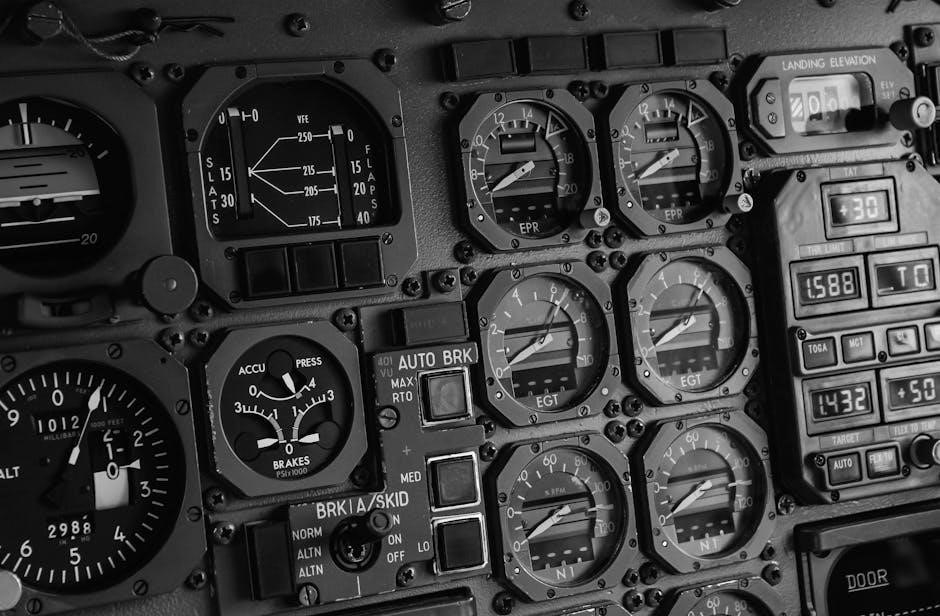
The “Everything Explained for the Professional Pilot” PDF provides a detailed exploration of flight instruments and the complex systems found in modern aircraft․ It moves beyond basic instrument understanding, delving into the intricacies of integrated avionics suites and advanced flight control systems․
Leveraging content from the 2024 Private Pilot Textbook and other FAA resources, the PDF clarifies how various instruments work individually and in conjunction․ It covers topics like attitude indicators, airspeed indicators, altimeters, and navigation systems, explaining their limitations and potential failure modes․
Furthermore, it examines complex systems such as autopilot, flight management systems (FMS), and weather radar, offering insights into their operation and troubleshooting․ The resource utilizes vivid graphics and clear explanations to make these complex subjects more accessible, preparing pilots for the challenges of operating sophisticated aircraft․