
pdf human body systems
Dive into our free Human Body Systems PDF collection—illustrated charts, quick facts, and study aids to help you master anatomy and physiology effortlessly.
PDF Human Body Systems Overview – concise guide to all 11 human body systems with downloadable PDF resources
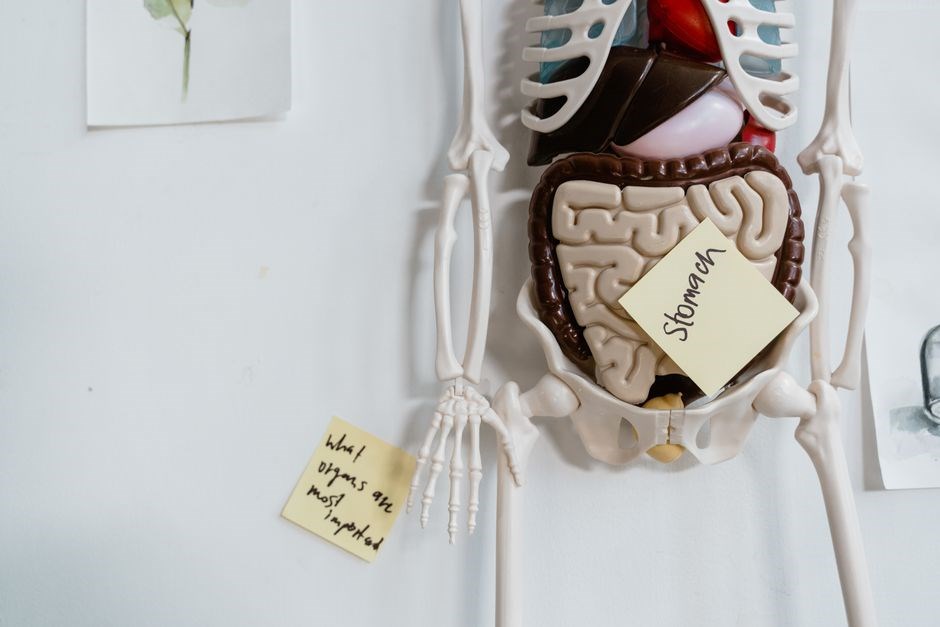
Explore a concise PDF guide covering all 11 human body systems. Download interactive infographics‚ worksheets‚ and slide decks for classroom or self‑study. Each system is summarized with key functions‚ major organs‚ and cross‑system interactions. Access resources here. Download now free!!
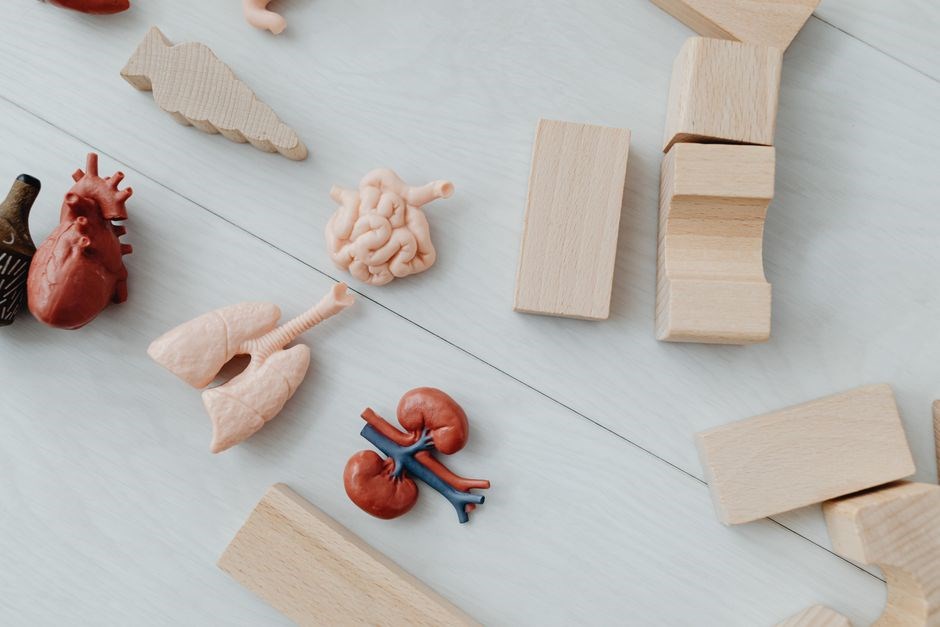
Skeletal System – bones‚ cartilage‚ joints‚ support‚ protection‚ movement‚ calcium storage
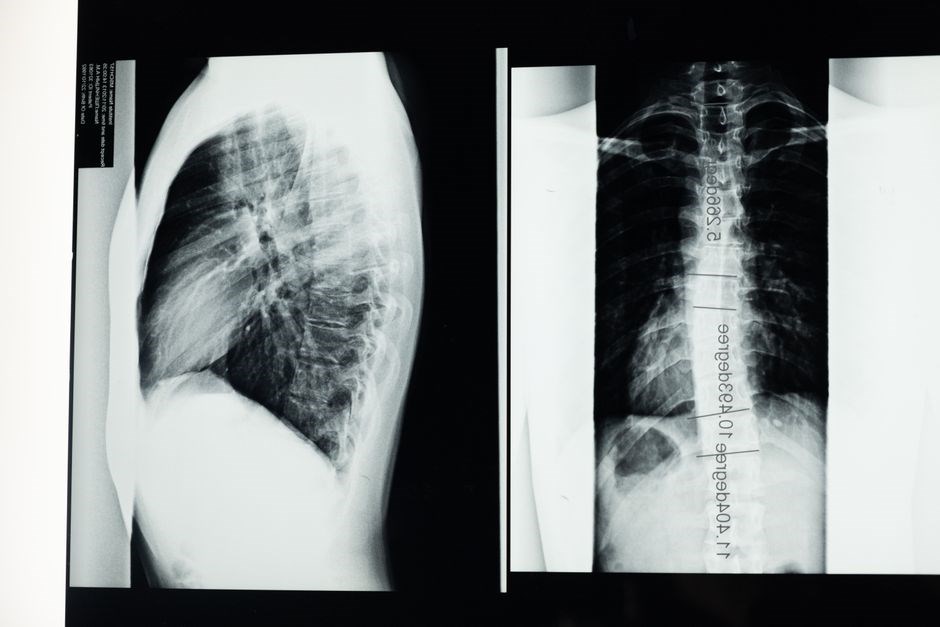
The skeletal system provides the body’s structural framework‚ consisting of 206 bones‚ cartilage‚ and ligaments that support‚ protect‚ and enable movement. Bones store calcium and phosphate‚ acting as reservoirs that regulate mineral balance and provide a scaffold for blood cell production. The axial skeleton—skull‚ vertebral column‚ ribs‚ sternum—anchors the head‚ spine‚ and thoracic cavity‚ while the appendicular skeleton—limbs and girdles—enables locomotion. Cartilage cushions joints‚ reduces friction‚ and contributes to growth plates in children‚ while synovial fluid lubricates articulations and nourishes cartilage. Muscles attach to bones via tendons‚ generating forces that produce movement and generate heat as a by‑product of contraction. Bone remodeling‚ a continuous process of resorption and formation‚ allows adaptation to mechanical stress and repairs micro‑damage. Disorders such as osteoporosis‚ fractures‚ and congenital malformations highlight the importance of bone health and the need for preventive care. Maintaining calcium intake‚ vitamin D‚ and regular weight‑bearing exercise supports bone density and overall skeletal integrity. The skeleton also plays a role in hematopoiesis‚ producing red and white blood cells within marrow cavities of long bones. Understanding the interplay between bone density‚ hormonal regulation‚ and mechanical loading is essential for preventing age‑related bone loss and ensuring functional mobility. All function highlight the skeleton role.
Muscular System – skeletal‚ smooth‚ cardiac muscles‚ contraction‚ force‚ movement‚ heat
Muscle tissue‚ the body’s contractile engine‚ is divided into skeletal‚ smooth‚ and cardiac types. Skeletal fibers attach to bone via tendons‚ generating voluntary‚ rapid‚ and powerful contractions that move limbs and maintain posture. Smooth muscle‚ found in walls of hollow organs‚ contracts slowly and involuntarily‚ regulating blood vessel diameter‚ gastrointestinal transit‚ and airway tone. Cardiac muscle‚ exclusive to the heart‚ possesses intercalated discs that synchronize rhythmic contractions‚ pumping blood through the circulatory system. All muscle fibers rely on actin–myosin cross‑bridge cycling powered by ATP‚ triggered by calcium release from the sarcoplasmic reticulum. Contraction generates mechanical force and metabolic heat‚ contributing to thermoregulation. Muscle fibers adapt to training: endurance training increases mitochondrial density and capillarization‚ while strength training induces hypertrophy and increased neural drive. Hormonal signals—insulin‚ growth hormone‚ testosterone—modulate protein synthesis‚ whereas cortisol and glucagon promote catabolism. Nutritional adequacy‚ especially protein and vitamin D‚ supports muscle maintenance. Age‑related sarcopenia‚ inflammatory myopathies‚ and metabolic myopathies illustrate the clinical significance of muscle health. Understanding muscle physiology informs rehabilitation‚ athletic training‚ and metabolic disease management‚ underscoring the muscular system’s central role in movement‚ force generation‚ and heat production. Strong muscles aid daily life. Regular exercise‚ balanced diet‚ and adequate sleep support muscle repair and growth daily.
Muscle tissue‚ the body’s contractile engine‚ is divided into skeletal‚ smooth‚ and cardiac types. Skeletal fibers attach to bone via tendons‚ generating voluntary‚ rapid‚ and powerful contractions that move limbs and maintain posture. Smooth muscle‚ found in walls of hollow organs‚ contracts slowly and involuntarily‚ regulating blood vessel diameter‚ gastrointestinal transit‚ and airway tone. Cardiac muscle‚ exclusive to the heart‚ possesses intercalated discs that synchronize rhythmic contractions‚ pumping blood through the circulatory system. All muscle fibers rely on actin–myosin cross‑bridge cycling powered by ATP‚ triggered by calcium release from the sarcoplasmic reticulum. Contraction generates mechanical force and metabolic heat‚ contributing to thermoregulation. Muscle fibers adapt to training: endurance training increases mitochondrial density and capillarization‚ while strength training induces hypertrophy and increased neural drive. Hormonal signals—insulin‚ growth hormone‚ testosterone—modulate protein synthesis‚ whereas cortisol and glucagon promote catabolism. Nutritional adequacy‚ especially protein and vitamin D‚ supports muscle maintenance. Age‑related sarcopenia‚ inflammatory myopathies‚ and metabolic myopathies illustrate the clinical significance of muscle health‚ underscoring the muscular system’s central role in movement‚ force generation‚ and heat production. Strong muscles aid daily life. Regular exercise‚ balanced diet‚ and adequate sleep support muscle repair and growth daily.
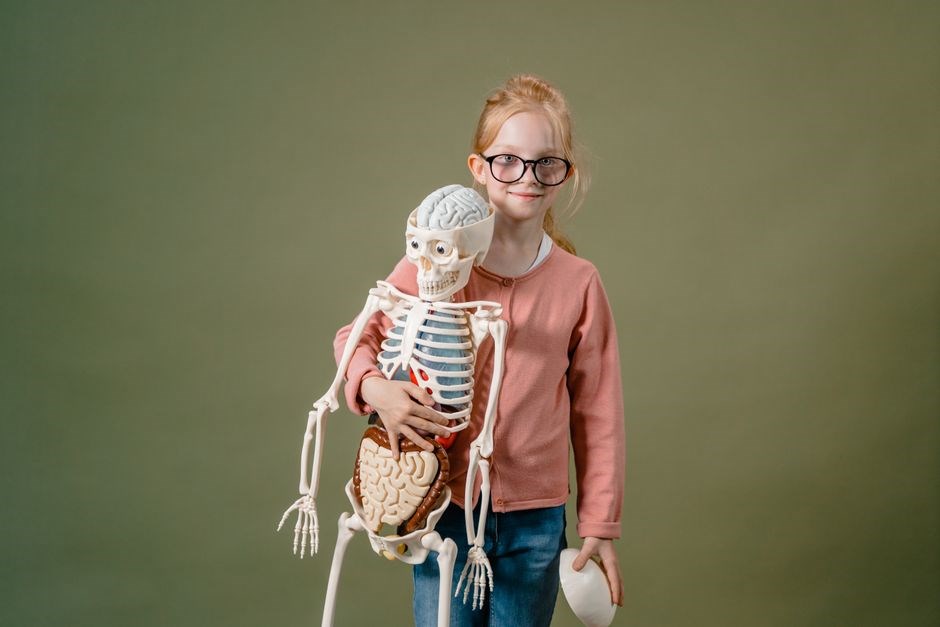
Circulatory System – heart‚ blood‚ vessels‚ oxygen transport‚ nutrient delivery‚ waste removal‚ immune defense
The circulatory system transports oxygen‚ nutrients‚ hormones‚ and waste via blood and vessels. The heart‚ a muscular pump‚ contracts rhythmically to move blood from atria to ventricles and out to the body. Arteries carry oxygen‑rich blood; veins return deoxygenated blood to the lungs. Capillaries allow gas and nutrient exchange between blood and tissues. It maintains systemic balance daily now.

Blood contains plasma‚ red cells that ferry hemoglobin‑bound oxygen‚ white cells that defend against pathogens‚ and platelets that clot. Leukocytes patrol the bloodstream‚ while the spleen and lymph nodes filter blood‚ removing old cells and foreign particles. It supports cellular function
- Oxygen transport: Hemoglobin carries oxygen from lungs to tissues.
- Nutrient delivery: Glucose‚ amino acids‚ lipids delivered to cells.
- Waste removal: CO₂‚ urea‚ and waste moved to excretory organs.
- Thermoregulation: Blood flow to skin regulates heat.
- Hormone distribution: Hormones travel in blood to target organs.
Cardiac output‚ the volume of blood the heart ejects per minute‚ is regulated by heart rate and stroke volume‚ influenced by autonomic input and hormones like adrenaline. Vascular resistance‚ governed by vessel diameter‚ modulates blood pressure. These mechanisms maintain homeostasis‚ allowing adaptation to exercise‚ stress‚ and environment.
Respiratory System – lungs‚ trachea‚ alveoli‚ gas exchange‚ CO₂ removal‚ oxygenation‚ pH regulation
The respiratory system delivers oxygen to the bloodstream and removes carbon dioxide‚ maintaining acid‑base balance; Air enters through the nose or mouth‚ travels down the trachea‚ and splits into bronchi that branch into bronchioles ending in alveolar sacs. Each alveolus is surrounded by a dense capillary network; here‚ oxygen diffuses into blood while CO₂ diffuses out for exhalation. The diaphragm and intercostal muscles contract during inhalation‚ expanding the thoracic cavity and creating negative pressure that draws air in. During exhalation‚ the diaphragm relaxes‚ the thoracic cavity contracts‚ and air is expelled. Respiratory rate adjusts to metabolic demands‚ increasing during exercise or fever. The lungs also help regulate blood pH by controlling CO₂ exhalation; CO₂ reacts with water to form carbonic acid‚ which dissociates into bicarbonate and hydrogen ions. The balance of these ions is crucial for maintaining physiological pH. Additionally‚ the respiratory tract contains ciliated epithelium and mucus that trap pathogens and particles‚ which are then moved out by the mucociliary escalator. The system’s efficiency is supported by the elasticity of lung tissue and the compliance of alveolar walls‚ allowing rapid gas exchange. In clinical contexts‚ spirometry and arterial blood gas analysis assess lung function and gas exchange efficiency. Understanding these mechanisms is essential for diagnosing respiratory disorders such as asthma‚ COPD‚ and pulmonary embolism.
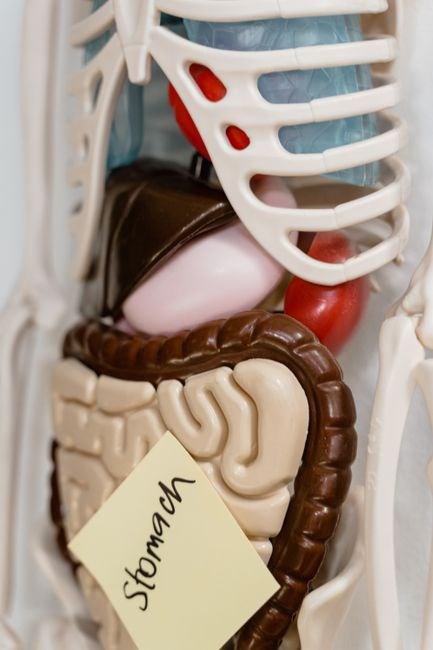
Digestive System – mouth‚ esophagus‚ stomach‚ intestines‚ liver‚ pancreas‚ nutrient absorption‚ waste elimination
The digestive system orchestrates the breakdown of food into absorbable nutrients and the removal of indigestible waste. Oral ingestion begins with chewing and saliva‚ which contains amylase to initiate carbohydrate digestion; The bolus travels via the pharynx and esophagus‚ propelled by peristaltic waves‚ into the stomach where gastric juices—hydrochloric acid and pepsin—break down proteins. The chyme then enters the small intestine‚ where bile from the liver emulsifies fats and pancreatic enzymes further digest carbohydrates‚ proteins‚ and lipids. Nutrient absorption occurs primarily in the jejunum and ileum‚ with villi and microvilli increasing surface area. The liver also detoxifies substances and produces bile‚ while the pancreas secretes insulin and glucagon to regulate blood glucose. The large intestine absorbs water and electrolytes‚ forming feces that are expelled through the rectum and anus. Hormonal signals from the gut (e.g.‚ gastrin‚ secretin‚ cholecystokinin) coordinate enzyme release and motility. Disorders such as gastritis‚ Crohn’s disease‚ or pancreatitis can disrupt these processes‚ leading to malabsorption‚ nutrient deficiencies‚ and systemic complications. Regular monitoring of digestive health‚ through diet‚ probiotics‚ and medical imaging‚ helps maintain optimal function. Explore the PDF guide for deeper insight now
Endocrine System – glands‚ hormones‚ homeostasis‚ metabolism‚ growth‚ reproduction‚ stress response
The endocrine system comprises glands that secrete hormones directly into the bloodstream‚ enabling long‑range communication between organs. Key glands include the hypothalamus‚ pituitary‚ thyroid‚ parathyroid‚ adrenal‚ pancreas‚ ovaries‚ testes‚ and pineal. Hormones such as insulin‚ glucagon‚ cortisol‚ thyroxine‚ estrogen‚ testosterone‚ and melatonin regulate metabolism‚ growth‚ reproduction‚ and stress adaptation. The hypothalamus releases releasing and inhibiting hormones that control pituitary secretion‚ creating a hierarchical cascade. Negative feedback loops maintain homeostasis: for example‚ high blood glucose triggers insulin release‚ while low glucose stimulates glucagon. Thyroid hormones increase basal metabolic rate‚ influencing oxygen consumption and heat production. Adrenal cortisol mobilizes energy substrates during stress‚ modulating immune responses. The pancreas’s beta cells produce insulin‚ whereas alpha cells secrete glucagon‚ balancing blood sugar. Reproductive hormones orchestrate gametogenesis‚ menstrual cycles‚ and secondary sexual characteristics. Dysregulation can lead to conditions such as diabetes mellitus‚ hyperthyroidism‚ Addison’s disease‚ or infertility. Understanding hormone interactions is essential for diagnosing endocrine disorders and developing targeted therapies. Download the PDF for a detailed diagram and clinical case studies. Hormonal rhythms follow circadian cycles‚ influencing sleep patten.
- Insulin lowers blood glucose by promoting cellular uptake.
- Cortisol increases gluconeogenesis during stress.
- Thyroxine regulates basal metabolic rate.
Excretory (Urinary) System – kidneys‚ ureters‚ bladder‚ urethra‚ filtration‚ urine formation‚ electrolyte balance
The excretory system maintains internal equilibrium by removing metabolic waste and regulating fluid and electrolyte levels. The kidneys‚ each about 11 cm long‚ filter ~180 L of plasma daily through millions of nephrons; Within each nephron‚ the glomerulus initiates filtration‚ while the proximal tubule‚ loop of Henle‚ distal tubule‚ and collecting duct reabsorb essential ions‚ water‚ and nutrients. Tubular secretion adds additional waste such as creatinine and drugs. Urine‚ a concentrated solution‚ travels via the ureters to the bladder‚ where it is stored until voiding through the urethra. Hormonal control—antidiuretic hormone (ADH) and aldosterone—modulates water reabsorption and sodium retention‚ respectively‚ ensuring blood pressure and plasma osmolality remain stable. Electrolyte balance is achieved by selective reabsorption of sodium‚ potassium‚ calcium‚ and bicarbonate‚ preventing acidosis or alkalosis. The system also participates in acid–base homeostasis‚ with the kidneys excreting hydrogen ions and reabsorbing bicarbonate. Dysfunction can lead to conditions such as acute kidney injury‚ chronic kidney disease‚ or electrolyte disorders. A detailed PDF guide illustrates nephron anatomy‚ filtration mechanics‚ and common pathologies‚ complete with interactive diagrams and case studies for educational use. Download now for in‑depth learning.
Key regulatory mechanisms include the juxtaglomerular apparatus‚ which releases renin to activate the renin–angiotensin–aldosterone system‚ adjusting glomerular filtration rate and systemic vascular resistance. Prostaglandins locally dilate afferent arterioles‚ protecting filtration during reduced perfusion. The renal pelvis funnels urine into the ureters‚ and the internal urethral sphincter controls voiding reflexes. Imaging modalities such as ultrasound‚ CT‚ and MRI assess structural integrity‚ while urinalysis and serum creatinine gauge functional status. Preventive measures—adequate hydration‚ balanced electrolytes‚ and avoidance of nephrotoxins—support renal health. The PDF includes a step‑by‑step flowchart of urine formation‚ a table of normal laboratory ranges‚ and a glossary of terms.
- Glomerular filtration rate (GFR) reflects kidney filtering capacity.
- Urinary concentrating ability depends on counter‑current multiplication.
- Urinary pH varies with diet and metabolic state.
Use it for quick revision today!!

Reproductive System – male/female organs‚ gametogenesis‚ fertilization‚ hormonal regulation‚ development

The reproductive system orchestrates continuity through intricate hormonal cascades gamete production and embryonic development. In females‚ the ovaries release oocytes via follicular maturation‚ while the uterus provides a nurturing niche for implantation. The menstrual cycle‚ regulated by estrogen and progesterone‚ prepares the endometrium for potential fertilization. In males‚ the testes synthesize sperm through spermatogenesis‚ with Leydig cells producing testosterone that fuels secondary sexual characteristics. The epididymis stores and matures sperm‚ and the vas deferens transports them during ejaculation. Hormonal interplay—gonadotropin‑releasing hormone‚ luteinizing hormone‚ follicle‑stimulating hormone—coordinates gamete release. Fertilization typically occurs in the fallopian tube‚ where sperm meets the oocyte‚ forming a zygote that undergoes cleavage and gastrulation before implanting in the uterine lining. Subsequent embryogenesis involves organogenesis‚ with the placenta emerging to mediate nutrient and gas exchange. The system’s health hinges on balanced endocrine signaling; disruptions can lead to infertility‚ hormonal disorders‚ or developmental anomalies. A downloadable PDF guide offers schematic diagrams of male and female anatomy‚ step‑by‑step gametogenesis‚ hormonal feedback loops‚ and key developmental milestones. Interactive infographics illustrate the menstrual cycle phases‚ sperm maturation stages‚ and embryonic developmental stages. Utilize for study!!
Immune System – innate defenses‚ adaptive immunity‚ antibodies‚ lymph nodes‚ white blood cells‚ pathogen response

Innate immunity provides the first line of defense through physical barriers‚ phagocytes‚ and inflammatory mediators. Skin‚ mucous membranes‚ and secretions such as lysozyme and defensins block pathogen entry. Complement proteins and natural killer cells identify and destroy infected cells. Adaptive immunity tailors responses via B‑cell antibody production and T‑cell cytotoxic activity‚ establishing immunological memory. Lymph nodes filter lymph‚ concentrating antigens and facilitating lymphocyte activation. White blood cells—neutrophils‚ eosinophils‚ basophils‚ monocytes‚ lymphocytes—coordinate phagocytosis‚ cytokine release‚ and antibody secretion. Antibodies (IgM‚ IgG‚ IgA‚ IgE‚ IgD) neutralize toxins‚ opsonize microbes‚ and activate complement. The humoral and cellular arms collaborate to eliminate pathogens‚ with memory cells enabling rapid secondary responses. Vaccination harnesses this system‚ presenting antigens to prime B and T cells. Dysregulation can lead to autoimmunity‚ immunodeficiency or hypersensitivity. A downloadable PDF resource includes detailed diagrams of innate and adaptive pathways‚ key cell types‚ antibody classes‚ and lymph node architecture. Interactive charts illustrate cytokine networks and pathogen recognition receptors. Use for research and teaching!! The system’s robustness is maintained by regulatory T cells and cytokine feedback loops‚ ensuring balanced immunity while preventing auto‑reactivity. Vaccines‚ monoclonal antibodies‚ and checkpoint inhibitors exemplify modern therapeutic strategies that modulate immune responses for disease prevention and treatment. Immune checkpoints fine‑tune responses‚ preventing excessive inflammation.
Integumentary System – skin‚ hair‚ nails‚ thermoregulation‚ protection‚ sensory perception‚ vitamin D synthesis
The integumentary system‚ the body’s outermost shield‚ comprises skin‚ hair‚ nails‚ and associated glands. Its primary roles include protection against mechanical injury‚ pathogens‚ and UV radiation; thermoregulation through sweat and vasodilation; sensory perception via cutaneous receptors; and vitamin D synthesis triggered by sunlight. The epidermis‚ the outermost layer‚ contains keratinocytes that produce keratin‚ forming a tough barrier. Melanocytes within the basal layer regulate pigmentation‚ protecting deeper tissues. The dermis houses blood vessels‚ nerves‚ sweat glands‚ sebaceous glands‚ and hair follicles‚ all contributing to homeostatic balance. Hair serves as a sensory organ and aids in temperature control‚ while nails protect distal phalanges and enhance tactile precision. Sweat glands secrete perspiration‚ cooling the body‚ and sebaceous glands produce sebum‚ maintaining skin moisture and antimicrobial defense. Cutaneous receptors detect temperature‚ pressure‚ pain‚ and vibration‚ transmitting signals to the central nervous system. Exposure to UVB light activates 7‑hydrocholesterol in the skin‚ converting it to vitamin D3‚ which is essential for calcium absorption and bone health. Students can use the PDF to review key concepts and test their understanding and quizzes for exams! Guide for students and teachers on integumentary anatomy and biology.
Lymphatic System – lymph vessels‚ nodes‚ lymph‚ fluid balance‚ immune surveillance‚ fat absorption
The lymphatic system is a network of vessels‚ nodes‚ and organs that transports lymph‚ a clear fluid rich in proteins‚ immune cells‚ and waste products‚ throughout the body. Lymph vessels‚ similar to veins‚ collect interstitial fluid‚ filter it through lymph nodes‚ and return it to the bloodstream via the thoracic duct or right lymphatic duct. Each lymph node contains macrophages‚ dendritic cells‚ and lymphocytes that patrol for pathogens‚ presenting antigens to T‑cells and initiating adaptive immune responses. The spleen‚ a secondary lymphoid organ‚ filters blood‚ removes aged erythrocytes‚ and mounts immune reactions. The thymus‚ located behind the sternum‚ is the maturation site for T‑cells‚ essential for cellular immunity. Lymphatic vessels also absorb dietary fats from the small intestine through specialized lacteals‚ transporting chylomicrons to the bloodstream. This fat absorption is critical for energy storage and hormone synthesis. The system maintains fluid balance by preventing edema; when lymph flow is impaired‚ fluid accumulates‚ leading to swelling. Clinical conditions such as lymphedema‚ lymphoma‚ and infections like tuberculosis illustrate the importance of lymphatic integrity. The system’s role in fluid homeostasis is essential for preventing edema and maintaining tissue health!!

Lymph nodes are strategically positioned along major vessels‚ including the cervical‚ axillary‚ inguinal‚ and mesenteric regions‚ providing sentinel surveillance. The lymphatic system also transports immune complexes and clears debris. Inflammation triggers lymphangiogenesis‚ expanding the network. Growth factors such as VEGF‑C and VEGF‑D regulate vessel sprouting. Educational PDFs provide flowcharts‚ case studies‚ and quizzes to reinforce learning!!
PDF Resources & References – curated PDFs‚ interactive infographics‚ educational slides‚ downloadable worksheets
Discover a curated library of PDF resources that illuminate the human body systems in depth. Each document is crafted for educators‚ students‚ and health professionals‚ featuring high‑resolution diagrams‚ step‑by‑step explanations‚ and interactive infographics that simplify complex physiology. Downloadable slide decks provide ready‑made presentations for classroom use‚ while worksheets and quizzes allow for self‑assessment and reinforcement of key concepts. The collection includes system‑specific PDFs such as “Skeletal System Overview‚” “Circulatory System Flowchart‚” and “Immune System Pathways‚” each with downloadable annotations and reference lists. All materials are available in PDF format‚ ensuring compatibility across devices and platforms. Whether you need a quick reference guide or a comprehensive study package‚ this resource hub offers everything you require to master the intricacies of human biology. Access the library now and enhance your learning experience with free‚ high‑quality educational content. The PDFs also feature interactive quizzes‚ glossaries‚ and citation guides to support research and critical thinking. For teachers‚ lesson plans align with national standards‚ while students can track progress with printable worksheets. The resource hub is updated quarterly‚ ensuring up‑to‑date information on emerging medical discoveries and technology advances. Join the community of learners and educators today. All PDFs are free to download and share today.